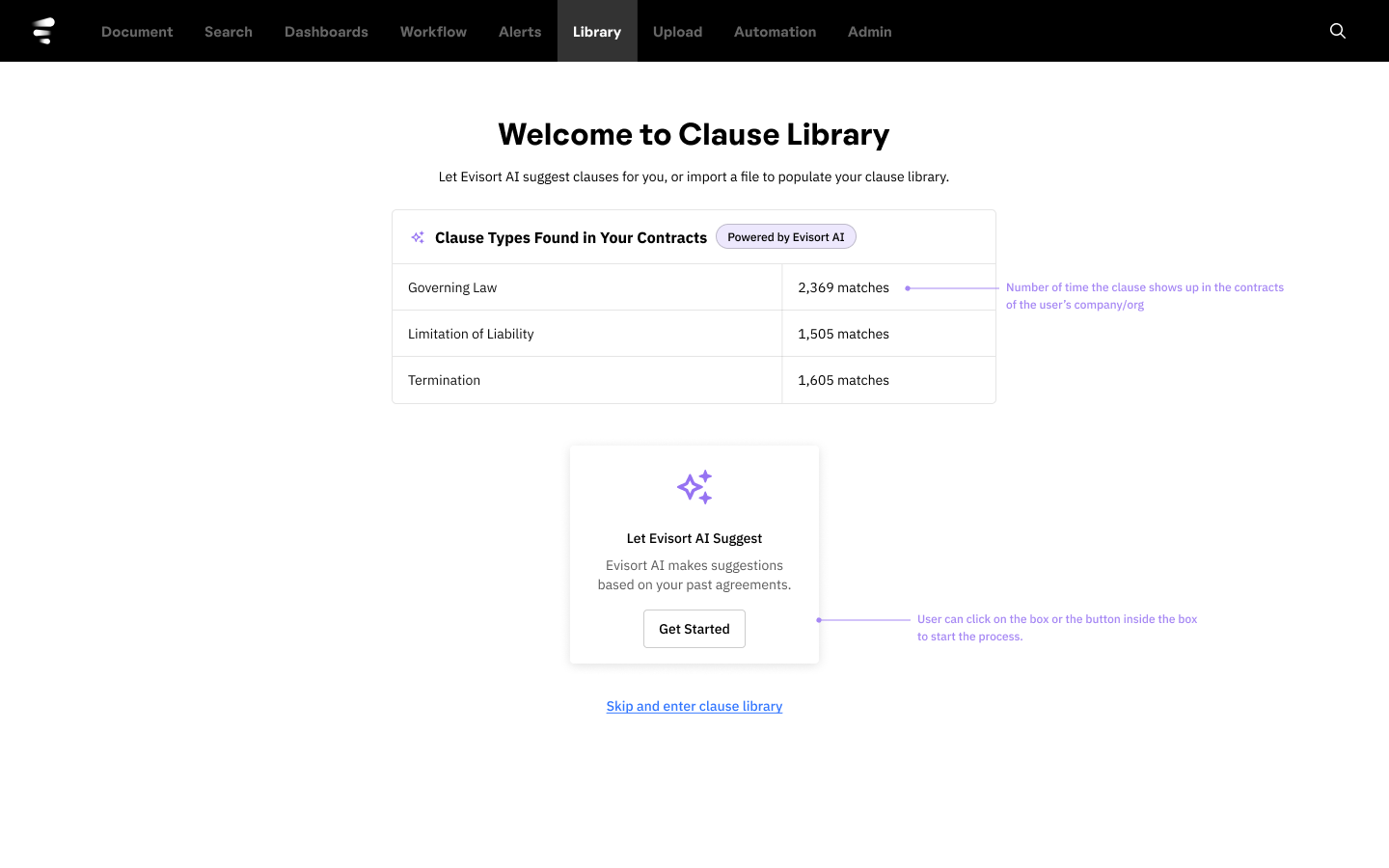
Designing an AI-Powered Clause Library
Zero-to-one AI-driven feature set for a legal technology SaaS startup.

Wiring user insights into product decisions since the '00s.
The companies that move fastest aren't guessing. They have someone turning user evidence into decisions before the competition even frames the question. I'm that person. I build the systems and organizational capabilities that turn user evidence into product decisions and growth. For 25 years I've wired research into product strategy, engineering, and go-to-market, from high-growth startups to the enterprise.
Most research functions produce reports. I build organizational capabilities that enable insight pipelines.
The distinction matters. A report is a point-in-time artifact. A pipeline is an organizational capability: a set of processes, relationships, and communication channels that continuously convert user evidence into product decisions. When I join a team, I'm not just running the next study. I'm wiring the insight-to-action loop so it keeps running after any single study ends.
That means I operate at three levels simultaneously:
I also bring something most UX researchers don't: over 25 years of experience researching how people work with computers and automation. My PhD work investigated how pilots and air traffic controllers calibrate trust in and build mental models of automated systems.
That same problem is now the central design challenge of every AI-augmented product. I've researched it from both sides: designing AI features that users can understand and trust, and integrating AI into research operations so humans stay in the interpretive loop. This isn't a recent interest. It's the thread that connects everything I've done.
Case studies from recent product research and strategy work.

Zero-to-one AI-driven feature set for a legal technology SaaS startup.
Mixed-methods product-market fit research.
Accessibility evaluation and program-building.
Rapid discovery and design for a mobile-first predictive analytics application at one of the world's largest copper mines.
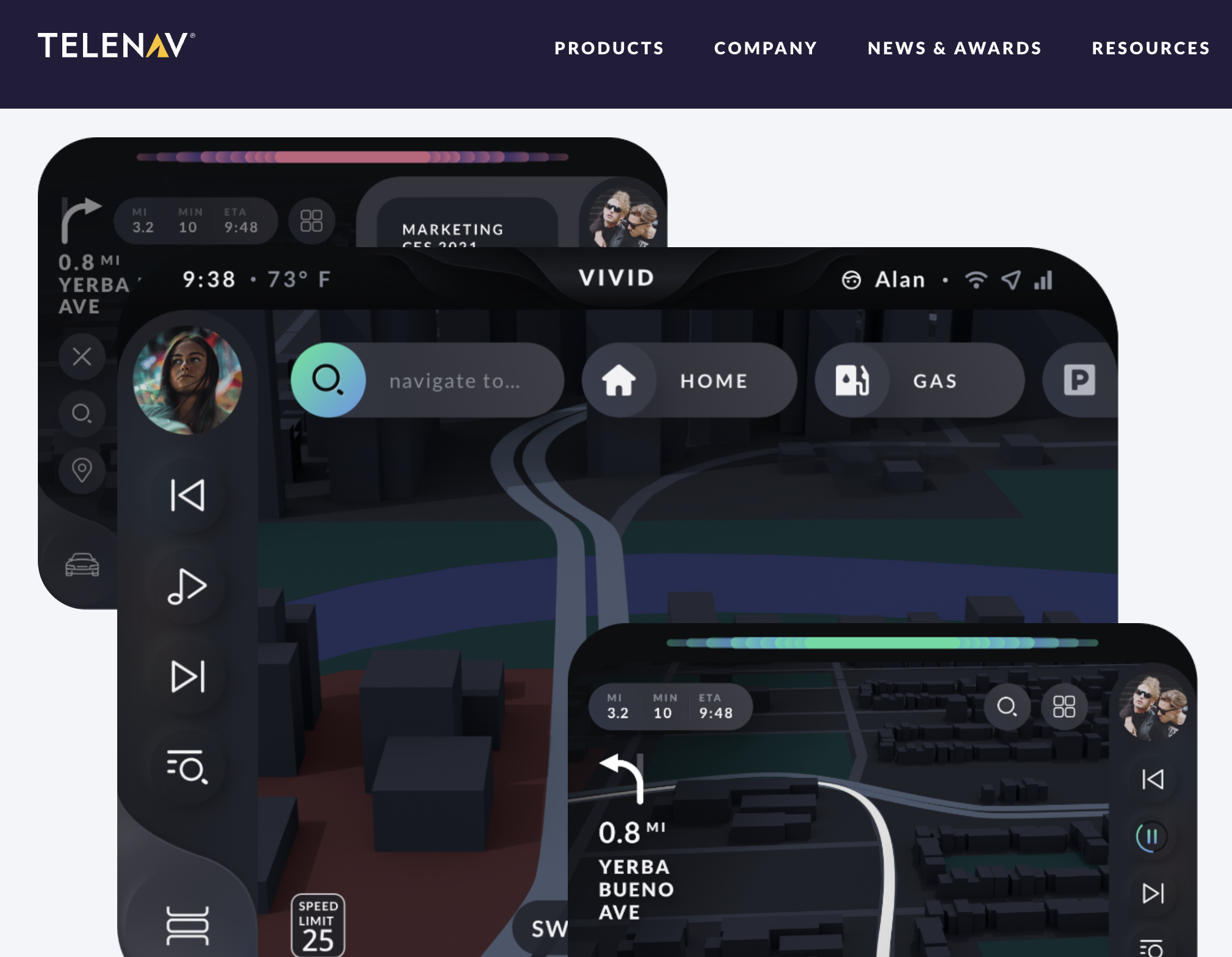
Generative field ethnography to identify personas and unmet needs for a next-generation navigation experience.
My methods span the full research spectrum: discovery and design sprints, contextual inquiry, in-depth interviews, jobs-to-be-done analysis, journey mapping and service blueprinting, persona definition, usability testing, survey research, behavioral analytics, and more. I pick the method that fits the question, not the other way around.I pick the method that fits the question, not the other way around.
I've worked across healthcare, fintech, legal tech, insurance, telecommunications, procurement, and enterprise SaaS. The domain matters less than the complexity. I do my best work in products where the problem space is tangled, the stakeholders are many, and the path from evidence to action requires translation across teams.
On the tools side, I work in Figma, Mixpanel, FullStory, Qualtrics, and the usual research stack. And I use AI tools (ChatGPT, Claude Cowork, Gemini, NotebookLM) as research accelerators. They handle pattern identification across large qualitative datasets, while I maintain interpretive control over what the patterns mean and what to do about them.
I'm currently exploring principal, staff, and director-level research roles at companies building complex products. Open to longer-term strategic consulting roles as well. Reach out if your team is working on wicked problems where rapid and valid research needs to be wired into how you make decisions.